










OUR REVIEWS
THE BEST TASTING
PROTEIN ON THE
PLANET
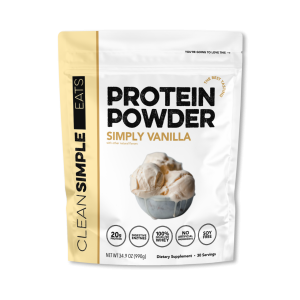
“The absolute best protein powder ever! Tastes
like vanilla ice cream!”
Flavor: Simply Vanilla






OUR REVIEWS
“The absolute best protein
powder ever! Tastes like
vanilla ice cream!”
Flavor: Simply Vanilla

OUR REVIEWS
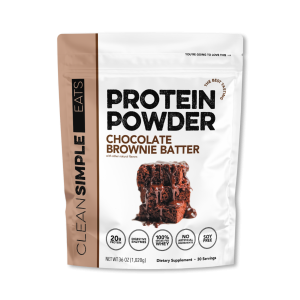
“This is the new standard of
chocolate-flavored protein!
It’s as smooth as can be,
and tastes so good!”
Flavor: Brownie Batter

OUR REVIEWS
“True to its name, it tastes
like chocolate peanut
butter cup heaven!”
Flavor: Chocolate Peanut Butter

OUR REVIEWS
“So creamy and smooth,
you can taste both the
strawberry and
cheesecake!”
Flavor: Strawberry Cheesecake

OUR REVIEWS
“I can’t get enough of this
snickerdoodle flavor!! The
best protein powder I’ve
had!”
Flavor: Snickerdoodle
Protein—the foundational macronutrient for virtually every cellular process in the body—has moved beyond the realm of dedicated athletes and into the mainstream wellness dialogue. In today’s fast-paced world, where dietary needs often clash with busy schedules, supplementing with a concentrated protein source offers a practical and efficient solution for optimizing health, performance, and body composition. Understanding the comprehensive benefits and proper application of this dietary aid is key to unlocking its full potential.
The primary function of supplementary protein is, of course, to support muscle repair and growth. After strenuous physical activity, muscle fibers incur micro-tears. The amino acids provided by a high-quality protein source are the building blocks required to repair these tissues, making them stronger and more resilient over time. This process, known as muscle protein synthesis (MPS), is crucial not only for those seeking a more muscular physique but also for general strength maintenance as we age. For older adults, adequate protein intake is a critical defense against sarcopenia, the gradual loss of muscle mass that significantly impacts mobility and quality of life. Consistent, high-quality protein intake provides the necessary stimulus and substrate to maintain vitality and functional independence well into the later years.
Beyond its structural role, protein plays a profound part in metabolic health and weight management. Compared to fats and carbohydrates, protein has the highest thermic effect of food (TEF), meaning the body expends more energy (calories) to digest and metabolize it. This metabolic boost contributes to a higher daily energy expenditure. Furthermore, protein is widely recognized for its superior ability to promote satiety—the feeling of fullness. By incorporating this supplement into meals or as a strategic snack, individuals can better manage appetite, reduce overall caloric intake from less nutritious sources, and minimize the desire for frequent, unnecessary eating. This makes it an invaluable tool for anyone pursuing a goal related to healthy body weight or composition goals.
The versatility of this powdered nutrient source is another major advantage. It can be easily integrated into a wide variety of foods and beverages, transforming them into nutritionally complete options. A simple addition to a breakfast smoothie, a batch of oatmeal, or even baked goods can drastically enhance the protein content, ensuring that the first meal of the day provides a sustained energy release rather than the rapid spike and crash associated with high-sugar, low-protein alternatives. This sustained energy is linked to better focus, improved mood stability, and a lower likelihood of mid-morning energy slumps. For those with restrictive dietary patterns, such as vegetarians or vegans, plant-based options derived from peas, rice, or hemp offer a convenient way to meet essential amino acid requirements that might otherwise be challenging to obtain solely from whole foods.
Moreover, the benefits extend into aspects of internal well-being. Amino acids are precursors to essential hormones, enzymes, and neurotransmitters. Adequate protein supply is therefore critical for robust immune function, efficient hormone regulation, and even cognitive health. Individuals facing periods of high stress, recovery from illness, or intense training schedules require an elevated protein supply to support the increased demands placed upon their internal systems. Prioritizing protein supplementation during these times can accelerate healing and maintain systemic balance.
In summary, viewing this supplement merely as a tool for bodybuilding is an outdated perspective. It is a fundamental dietary aid for optimizing general health, supporting metabolic efficiency, managing body weight, and ensuring long-term physical resilience. It represents an accessible, convenient way to bridge the nutritional gaps that are common in modern eating habits, empowering individuals across all demographics and activity levels to meet their physiological needs and achieve a higher level of wellness. Its consistent use supports the underlying infrastructure of the body, leading to better outcomes in energy, strength, and overall vitality, making it a cornerstone of a proactive nutritional strategy.


